- 5/19/2026
- Updated 5/19/2026
Student Punctuation Typing Routine
A simple school-week plan for students who lose accuracy on essays, citations, and dialogue when punctuation density rises.
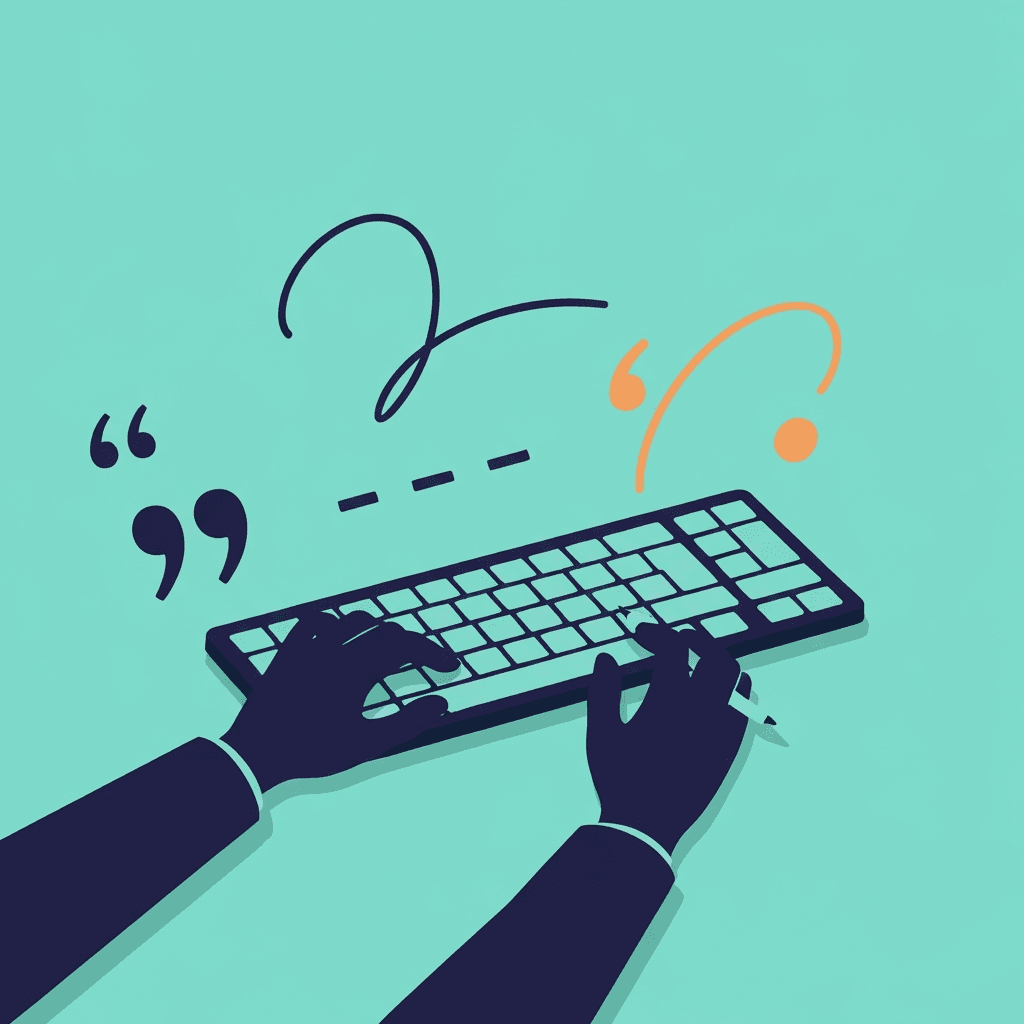
Fit practice between classes
One sixty-second punctuation test fits between periods better than a thirty-minute session you skip. Consistency beats length for students juggling homework.
Use the same account all semester so progress charts show improvement before finals.
When remote days blur together, schedule punctuation warm-ups at the same morning slot for honest trends.
When remote days blur together, schedule punctuation warm-ups at the same morning slot for honest trends.
Interactive Practice
Try this punctuation tool right here
Run the same test discussed in this article without leaving the page.
Match assignments you actually write
Literature essays need dialogue quotes; history papers need semicolons and citations. Pick hub articles that mirror this week assignment, then run the embedded test.
If teachers use MLA quotes, prioritize dialogue and apostrophe guides.
Support staff should pair punctuation drills with canned-macro review so personalized replies stay clean.
End training weeks with a standard one-minute test so full-keyboard employers still see familiar benchmarks.
Do not chase classmate WPM
Punctuation scores vary with passage luck. Compare yourself to last month, not to a friend sprinting plain prose.
Bring both punctuation and standard test results to typing class if teachers allow self-reported benchmarks.
Treat apostrophe errors as rhythm problems first; grammar rules stick better after fingers stop hesitating.
Students citing essays should practice quotation marks the week assignments require dialogue, not only before finals.
Continue practicing
The in-page tool uses punctuation-heavy prose (commas, quotes, dashes). It is not a programmer symbol test—open the full punctuation test, check the punctuation leaderboard, then compare with a standard one-minute run.